

-
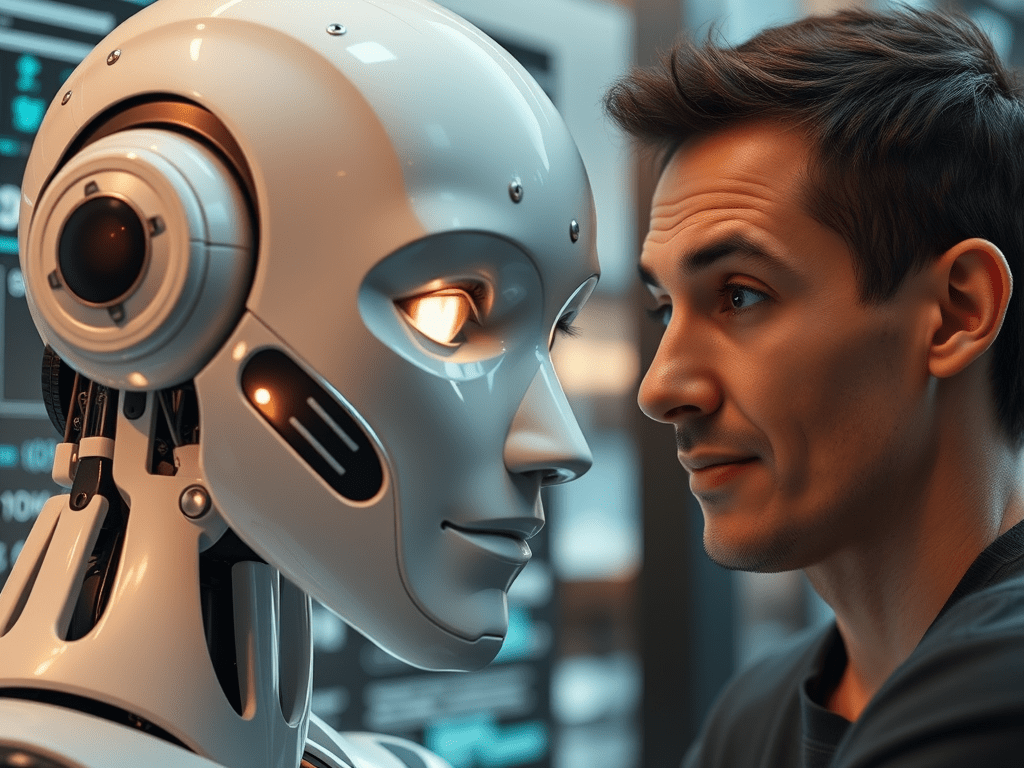
Inferring Minds: How Mental-State Attribution Shapes the Perceived Humanity of Conversational Agents
Abstract Understanding why some digital entities feel “human” while others remain stubbornly mechanical is now a core concern across social robotics, virtual-reality design and customer-facing AI. Building on social neuroscience and human–computer-interaction research, this article argues that the decisive ingredient is users’ willingness to attribute mental states—beliefs, desires, emotions—to the… More ⇢
-
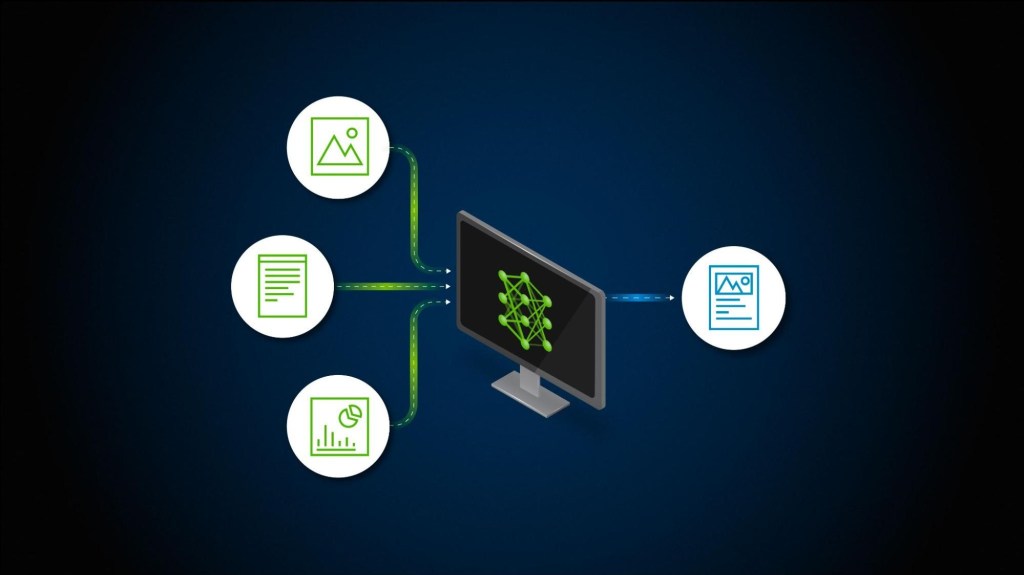
Multimodal Retrieval-Augmented Generation: Advances and Remaining Challenges
Multimodal Retrieval-Augmented Generation (RAG) enhances the reasoning capabilities of language models by retrieving and incorporating heterogeneous data sources—such as images, diagrams, and structured data—into the generative process. This review surveys recent advances in the field, focusing on applications in healthcare and education. It also identifies key technological bottlenecks, particularly in… More ⇢
-
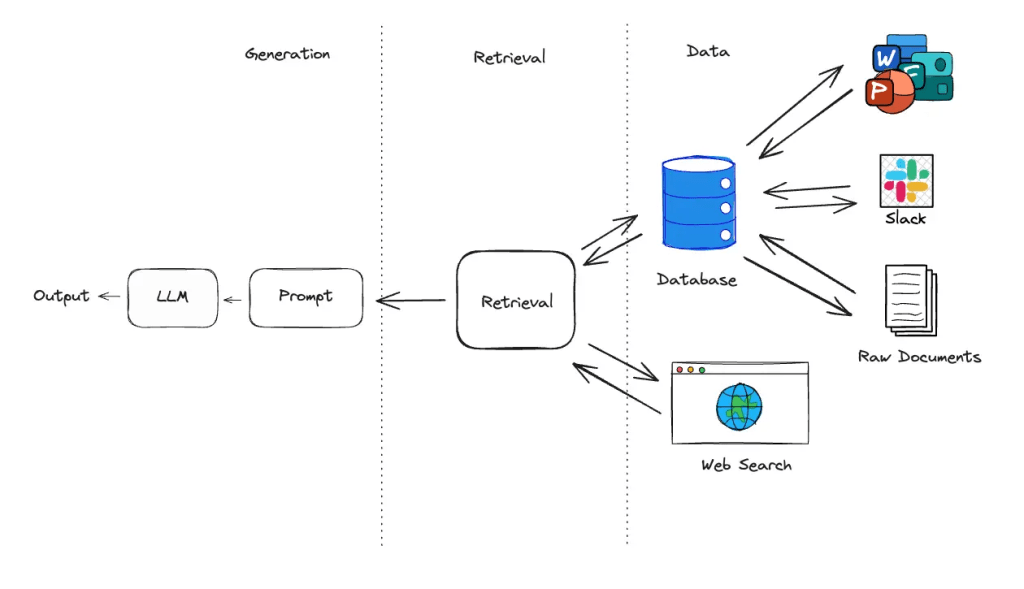
The AI Autonomy Dilemma: Balancing Power, Safety and Responsibility
In January 2024, OpenAI’s CEO Sam Altman claimed that one day we will witness for the first time a one-person billion-dollar company, by leveraging the power of generative AI. This shows his vision of the role of AI in the coming years: a single person making high-level decisions, while the… More ⇢
-
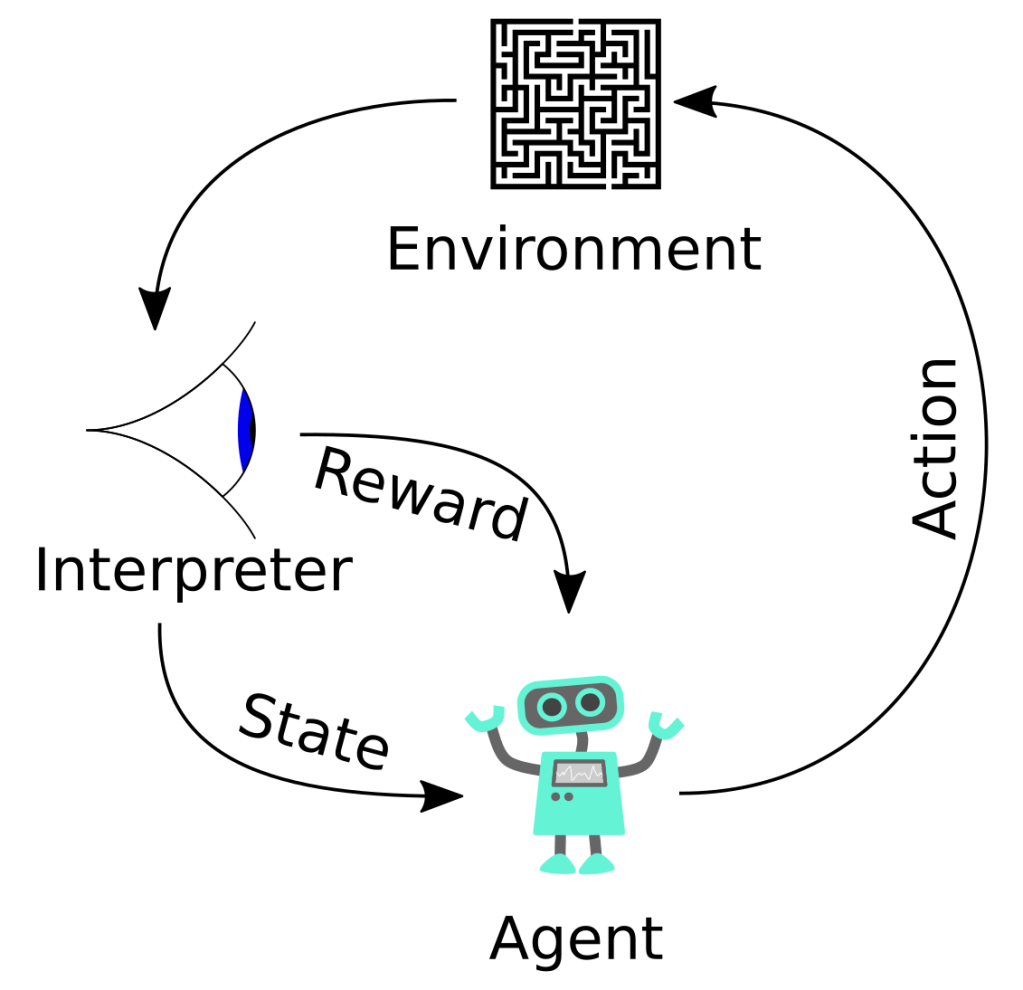
Reinforcement Learning vs. Human Learning Strategies
This article serves as an expanded section of the preceding article. How Humans Learn New Skills When humans learn a task—whether riding a bike, solving math problems, or playing chess—they follow a structured, iterative process rooted in neuroscience and cognitive psychology: How Reinforcement Learning (RL) Works Reinforcement learning mimics trial-and-error learning… More ⇢
-
Demo: CrewAI
In light of the referenced article, we have revised the notebook to enhance its clarity and self-explanatory nature. The updated version is accessible at: https://colab.research.google.com/drive/1hMLvxGTTspoNOEPc7iX9_EYqegr26Kyw?usp=sharing Additionally, we have corrected several typographical errors and addressed bugs that may have arisen due to updates in the libraries or Google Colab. Please note… More ⇢

-
Comparing Memory Storage in Neural Networks and the Human Brain
This article serves as an expanded section of the preceding article. How Memory Works in the Human Brain The human brain is a master of efficient, adaptive memory storage. Modern neuroscience reveals that memory is not localized to a single region but is distributed across interconnected networks, with mechanisms that… More ⇢

-
Understanding Memory Storage in Deep Neural Networks: A Research Exploration
Introduction Neural networks are powerful tools for processing sequential and structured data, but how they internally store and retrieve information remains a fascinating open question. This research project aims to investigate how deeply connected neural networks encode and retain information from text inputs, while optimizing network architectures for efficiency. Below,… More ⇢
AI Agents empowering humans.
DENEM Labs welcomes collaborative opportunities and encourages interested parties to reach out via email at hello@denemlabs.com.
We offer a comprehensive suite of services, including the development of AI agent products, change management related to artificial intelligence, research and development consulting, specialized training sessions, and keynote presentations.
 DENEM Labs - Research Journal